Digital Menus Course


Logo CETT UAB Logo CETT Hospitality Course Logo

This course provides students with a comprehensive understanding of digital menus and their evolution from their origins to the present in the Horeca sector. Below, we will address the key topics related.

  • Module-1: How menus were born and their digital transformation.
  • Module-2: Menus in Traditional Format vs Digital.
  • Module-3: Gastronomic Digital Marketing.
  • Module-4: 📢 | TUUITS DIGITAL MENUS |💯: Who are we?
  • Practical Example:🍽️ Digital Menu Tasting Menu Tradition 👌
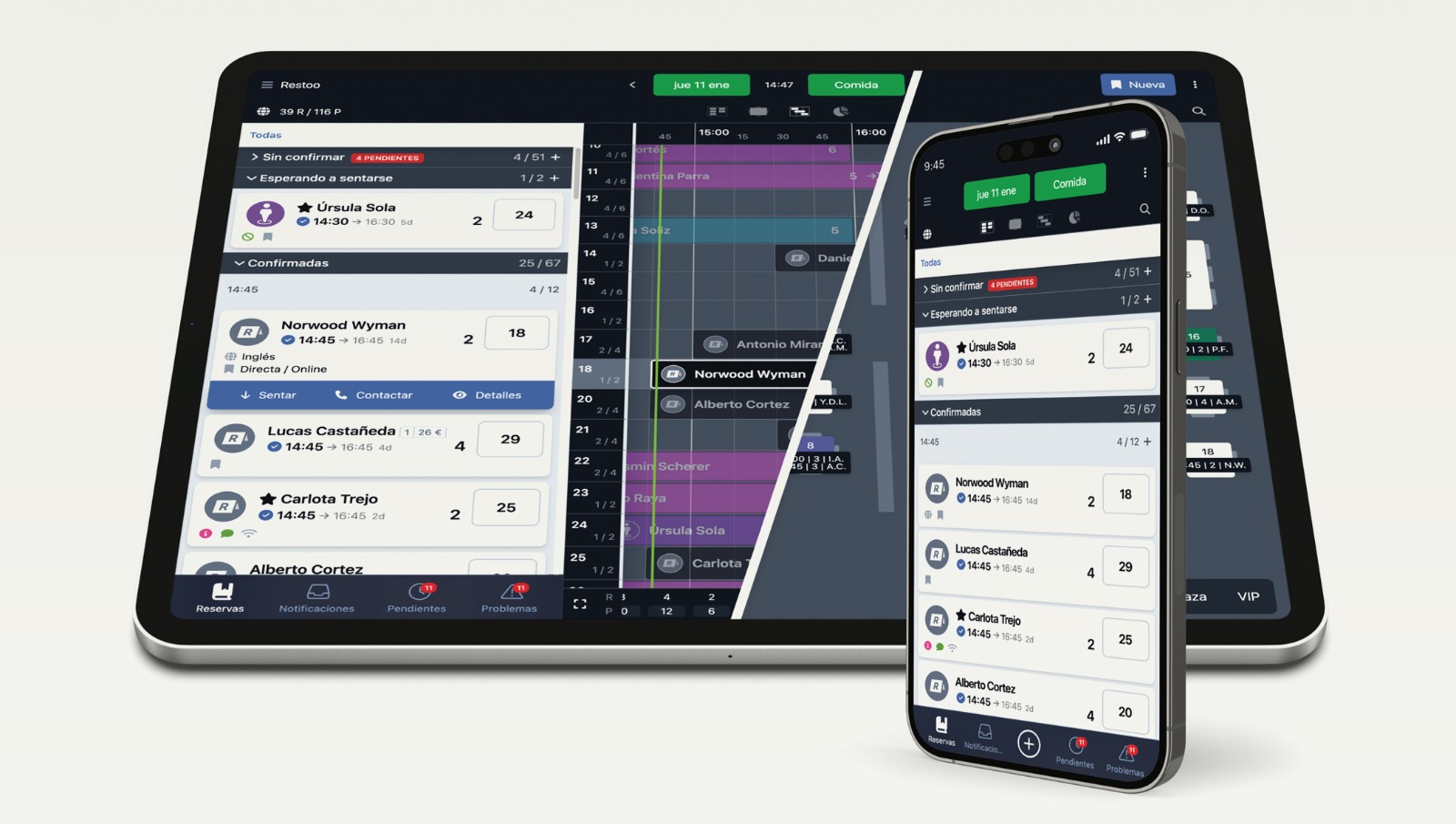
  • Reservation Platform: The Fork | Restoo

Evolution of Digital Menus

  • The first restaurant menu: Understood as a list of dishes to be served at the table, it was popularized in 1849 by Duke Heinrich of Brunswick during a banquet in honor of Count Hans of Montforte.
  • The first digital menus were simple electronic versions of traditional ones, generally in PDF or image format. The implementation of digital menus emerged as a health measure during the COVID-19 pandemic, aiming to reduce physical contact and ensure hygiene.
  • First advancements: With the advent of QR codes and smartphones, digital menus began to offer a more dynamic interaction. This allowed customers to access menus through their mobile devices quickly and efficiently.
  • The integration of functionalities: As technology advanced, digital menus began to integrate options such as order customization, real-time allergen information, and integration with mobile payment systems, significantly improving the customer experience.
  • Digital Menus 2.0: Today, digital menus are an essential tool in many establishments, not only to display the menu but also to offer interactive services, personalized promotions, and even data analysis to enhance the dining experience.

Links of interest about the evolution of Digital Menus

Evolution of Digital Menus

First Paper Menu 1849

Technological evolution in restaurants

Bar Elisabets before Lluch 1940-1945

Currently the same owners 2 generations

Technological evolution in restaurants

Auctioned Menu from the Titanic €68,000


Differences and advantages of paper or cardboard menus versus digital ones.

    Advantages of Digital Menus:

    • Health Safety: Access through QR codes avoids direct contact with common objects, minimizing the spread of germs.
    • Flexibility and Updates: Allows instant menu updates without costs or delays associated with printing.
    • Interactivity and Convenience: Diners can place orders from their devices, enhancing the customer experience.
    • Preference Analysis: Collects data on customer choices, helping restaurants optimize their offerings and marketing strategies.

    Disadvantages of Digital Menus:

    • Reduction of Direct Interaction: Technology may decrease human communication between the customer and the waiter.
    • Technological Dependence: Not all customers are comfortable or familiar with using smartphones.

    Advantages of Paper Menus:

    • Tradition and Gastronomic Culture: The paper menu contributes to the restaurant's atmosphere and style.
    • Personalized Interaction: Encourages direct communication with staff, enhancing the experience.
    • Suitability for All Audiences: Ideal for those who prefer traditional methods.

    Disadvantages of Paper Menus:

    • Hygiene Issues: Physical menus can accumulate dirt, which is undesirable in current times.
    • Inflexibility: Updating a physical menu requires additional time and resources.
    • Less Interactivity: Does not allow for order customization or include interactive elements.

Strategies to promote digital menus and attract more customers.

  • Health Safety: Access through QR codes avoids direct contact with common objects, minimizing the spread of germs.
  • Flexibility and Updates: Allows instant menu updates without costs or delays associated with printing.
  • Interactivity and Convenience: Diners can place orders from their devices, enhancing the customer experience.
  • Preference Analysis: Collects data on customer choices, helping restaurants optimize their offerings and marketing strategies.

Disadvantages of Digital Menus:

  • Reduction of Direct Interaction: Technology may decrease human communication between the customer and the waiter.
  • Technological Dependence: Not all customers are comfortable or familiar with using smartphones.

Advantages of Paper Menus:

  • Tradition and Gastronomic Culture: The paper menu contributes to the restaurant's atmosphere and style.
  • Personalized Interaction: Encourages direct communication with staff, enhancing the experience.
  • Suitability for All Audiences: Ideal for those who prefer traditional methods.

Disadvantages of Paper Menus:

  • Hygiene Issues: Physical menus can accumulate dirt, which is undesirable in current times.
  • Inflexibility: Updating a physical menu requires additional time and resources.
  • Less Interactivity: Does not allow for order customization or include interactive elements.

Who are we?

  • Specialization in the HORECA Sector: We were born implementing WhatsApp in various sectors. During the coronavirus pandemic, many hospitality clients requested digital menus, leading us to specialize in innovative solutions for the HORECA sector.
  • Innovation in Gastronomy: Specialized in digital solutions for restaurants and hotels.
  • Commitment to Sustainability: We promote the use of smart menus and labels to reduce environmental impact.
  • Focus on Customer Experience: Tools that facilitate interaction and service personalization.
  • Multidisciplinary Team: Professionals with expertise in technology, design, and gastronomy.
What do we do?

  • Digital Menus: Menus accessible via QR codes, instantly updatable.
  • Electronic Labels: E-Ink technology for buffets and hotels, with remote management and real-time data.
  • Food Information Management: Details about allergens and compliance with safety regulations.
  • Advanced Analytics: Data collection to improve offerings and marketing strategies.
  • Continuous Technical Support: Personalized assistance to ensure the proper functioning of our solutions.
  • Easy Integration: Compatibility with existing management systems in the restaurant.


Reservation Platform

  • Reservation Management: A platform that optimizes restaurant reservations through an automated system available 24/7.
  • Multichannel Integration: Allows managing reservations from websites, social media like Google, Facebook, and Instagram.
  • Payments and Cancellations: Manages advance payments and cancellations without additional fees.
  • Customer Loyalty: Direct marketing tools such as emails and SMS to foster customer loyalty.
  • Mobile Accessibility: The platform is compatible with mobile devices for easy management from anywhere.

RESTOO

THE FORK